

Powerwall vs Generator: Which Backup Power System Is Better for Virginia Homes?
Powerwall vs Generator
Power outages are a reality for many homeowners across Hampton Roads. From hurricane season to coastal storms and grid strain during extreme weather, residents in Newport News, Virginia Beach, Norfolk, Williamsburg, and Yorktown experience outages every year.
Because of this, more homeowners are investing in backup power systems to keep their homes running when the grid goes down.
Traditionally, that meant installing a generator. Today, many homeowners are turning to newer technology like the Tesla Powerwall, a home battery system designed to provide clean, automatic backup power.
Understanding the differences between these systems can help Virginia homeowners decide which option makes the most sense for their home.
What Is a Tesla Powerwall?
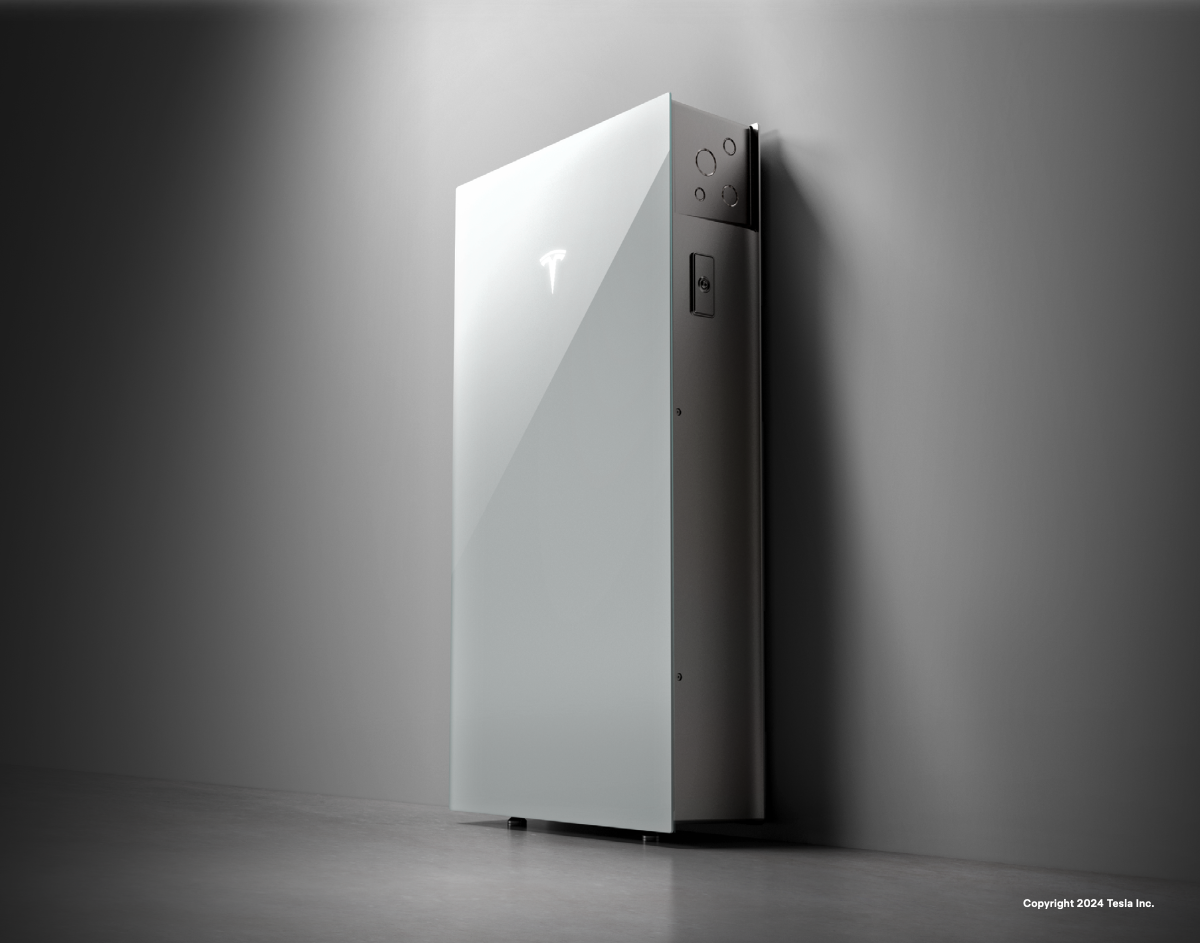
The Tesla Powerwall is a home battery that stores electricity and automatically powers your home during an outage.
When the grid goes down, the Powerwall instantly switches your home to stored energy, keeping lights, refrigerators, and essential appliances running. Unlike traditional generators, the Powerwall runs entirely on stored electricity. It does not burn fuel, produce exhaust, or require mechanical engines to run.
Powerwall systems can also work with solar panels or charge directly from the grid, giving homeowners greater control over how their home uses energy. As electric vehicles and home energy technology continue to evolve, more Virginia homeowners are adding reliable backup power to keep their homes running during outages.
How Traditional Generators Work
Generators produce electricity by burning fuel such as natural gas, propane, or gasoline. When the power goes out, the generator starts automatically and supplies electricity to the home.
Whole-home generators can provide significant power depending on the size of the system, which is why they have been a common backup solution for decades in storm-prone regions.
However, generators rely on fuel availability and mechanical engines that must run continuously while the power is out.
Backup Power During Hurricanes and Coastal Storms
For homeowners in Hampton Roads, storms and hurricanes are an important factor when choosing a backup power system. Generators depend on fuel supply. If gas lines are disrupted or propane tanks run empty during a long outage, the system may stop producing power.
A Tesla Powerwall stores energy directly in the home, allowing it to provide backup power without relying on outside fuel sources. If paired with solar panels, the system can recharge during daylight hours, potentially extending backup power during longer outages.
This is one reason battery storage has become increasingly popular in coastal areas where storm-related outages are common.
Noise and Maintenance
One of the most noticeable differences between these systems is how they operate day to day. Generators use combustion engines, which means they produce noticeable noise when running. During extended outages, the generator may run for many hours or days.
A Tesla Powerwall operates silently because it has no engine or moving mechanical parts. Maintenance requirements are also different. Generators require periodic servicing, including oil changes, fuel checks, and system testing.
Powerwall systems require minimal maintenance once installed.
Energy Efficiency and the Future of the Electric Home
Another advantage of battery storage is that it can be used year-round, not just during outages.
A Tesla Powerwall can store electricity for use during peak demand hours, support solar energy systems, and integrate with modern electric homes. As more homeowners install electric vehicle chargers, solar systems, and smart electrical technology, energy storage is becoming a central part of the modern home.
Tesla has been a major leader in this shift toward electrification, and Powerwall technology continues to play a major role in the transition to cleaner and more resilient home energy systems.
Choosing the Right Backup Power System
The right backup power system depends on your home’s electrical setup, energy needs, and how prepared you want to be for storms or outages. For homeowners across Newport News and the Hampton Roads area, modern battery systems like the Tesla Powerwall are becoming the preferred choice over traditional generators.
As a Tesla certified installer, Go Green Electric has the expertise to properly install and integrate Powerwalls with your home’s electrical system. Our team also handles EV charger installations and electrical upgrades, making us a trusted partner for Virginia homeowners looking to future-proof their homes.
With Go Green Electric, you can rest assured your home will stay powered, efficient, and ready for whatever Virginia storms or energy needs bring.